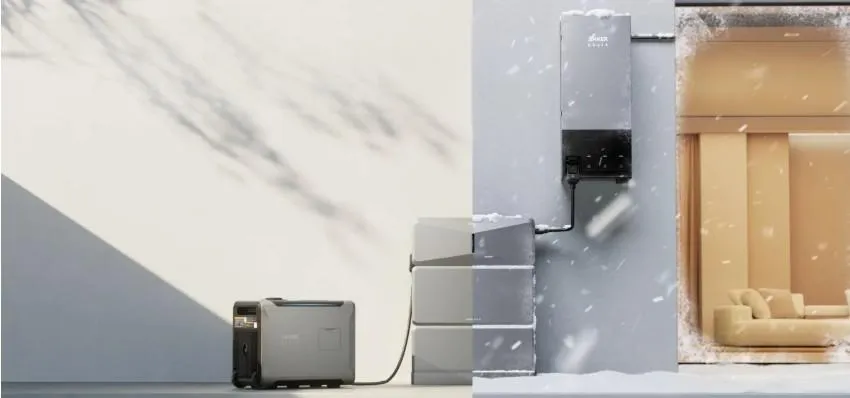
Off-grid kit maintenance in humid climates starts with keeping moisture out, preserving airflow, and detecting corrosion before it affects connections. Inspect accessible components regularly, follow each manufacturer’s cleaning instructions, and investigate changes in charging or output. Outdoor equipment still needs correct installation and intact seals; weather protection does not eliminate maintenance. Build a routine around local humidity, rainfall, and site conditions. Keep records of inspections and warnings so you can identify recurring problems and arrange qualified service when needed promptly.
Protect Off-Grid Kit Components From Moisture Damage
Inspect Solar Panels, Mounting Hardware, and Cable Connections
Inspect panels from a safe, accessible position for cracked surfaces, damaged frames, or visible moisture beneath the glass. Look for rust, loose hardware, and movement in mounting assemblies without climbing onto wet roofs. Check exposed cable runs for abrasion, sagging, and damaged insulation. Examine accessible connectors visually, but do not disconnect energized solar wiring. Report damaged mounts or suspect connections to a qualified installer, and keep drainage paths clear according to the installation’s maintenance instructions.
Check Batteries, Terminals, and Enclosures for Corrosion
Examine battery enclosures for discoloration, rust, swelling, leakage, or water marks. Inspect only terminals and connections that the manual identifies as user-accessible, following its isolation procedure first. Do not remove protective covers to search for corrosion inside sealed equipment. Photograph changes so service personnel can assess their progression. Avoid scraping deposits or applying household cleaners to electrical contacts. If corrosion appears around a connection, arrange assessment rather than assuming that removing the visible residue solves it.
Examine Inverters, Charge Controllers, and Electrical Seals
Check enclosure surfaces, cable entries, and door seals for cracks or signs of water entry. Even with the NEMA 4 weatherproof protection offered by Anker E10 Off-Grid Kit, intact seals and correct installation remain important in humid conditions. Keep covers secured and follow each component’s maintenance instructions. If you notice damaged seals or water marks, arrange approved repairs and investigate the moisture source before it causes further problems.
Prevent Condensation, Corrosion, and Overheating
Improve Ventilation Around Batteries and Electrical Equipment
Maintain the specified clearances around batteries, inverters, and controllers, and remove clutter that obstructs cooling openings. Follow chemistry-specific ventilation requirements rather than treating every battery installation alike. Do not drill ventilation holes in sealed enclosures or add fans without manufacturer approval. In humid rooms, introducing more outdoor air may increase moisture, so assess humidity alongside temperature. Ask the installer whether the space needs controlled ventilation or dehumidification, and ensure proposed changes preserve the equipment’s installation requirements.
Keep Connections Dry and Use Manufacturer-Approved Protection
Use correctly matched connectors, cable glands, and protective covers specified for the installation. Keep disconnected accessories clean and dry, and inspect seals before reconnecting them through the approved procedure. Do not substitute tape, household sealant, grease, or corrosion sprays for documented protection methods. Such additions can interfere with connections or trap moisture. Have damaged cable entries repaired properly, and preserve any designed drainage features. Never handle wet electrical connections or reconnect components that show water intrusion.
Manage Temperature Changes and Condensation in Enclosed Spaces
Condensation forms when moist air contacts surfaces below its dew point, so temperature changes can create problems inside equipment rooms. Monitor room humidity and temperature, particularly after rainfall or changes in cooling settings. Address leaks and persistent dampness before relying on additional airflow. Use only approved enclosure heaters, breathers, or moisture-control accessories where specified. Avoid opening electrical enclosures for drying, and seek professional advice when internal condensation is suspected or observed.
Build a Maintenance Schedule for Humid Conditions
Perform Monthly Visual Inspections and Cleaning
Use a monthly visual check as a starting point, then adjust frequency according to manufacturer guidance and local exposure. Record enclosure condition, cable damage, moisture marks, and ventilation obstructions. Clean accessible exterior surfaces using approved methods after completing required shutdown procedures. Avoid spraying water into ports, vents, or cable entries. For home battery backup, keep inspection records beside operating instructions so household members can report changes consistently. Arrange earlier checks when leaks, unusual humidity, or visible deterioration suggest increasing exposure.
Test System Performance and Monitor Charging Efficiency
Compare charging and output readings under similar sunlight, temperature, battery charge, and load conditions. Lower solar input on a cloudy day does not establish moisture damage or reduced efficiency. Track repeated changes, unexpected shutdowns, and fault codes rather than drawing conclusions from isolated readings. Test representative loads within documented limits, and record results alongside weather observations. Ask qualified personnel to investigate persistent deviations, especially when performance changes coincide with corrosion, water marks, or recurring electrical warnings.
Schedule Professional Checks After Heavy Rain or Severe Weather
After severe weather, inspect the site from a safe position for flooding, displaced panels, damaged wiring, and debris. Arrange a professional check when exposure or visible damage raises concerns about electrical integrity. Do not approach equipment standing in water or restore operation merely because surfaces look dry. Qualified personnel should assess affected components and follow manufacturer guidance for replacement or recommissioning. Share inspection records and warning history to help them identify recurring weaknesses in the installation.
Conclusion
Maintain an off-grid kit in humid conditions by controlling moisture, preserving approved ventilation, and inspecting accessible components consistently. Watch for corrosion, damaged seals, and performance changes, then document findings before arranging service. Follow component-specific instructions rather than assuming one enclosure rating covers the entire installation. Keep connections dry and avoid improvised coatings or enclosure modifications. After flooding or storm damage, obtain qualified assessment before restarting affected equipment. Regular attention helps protect dependable operation throughout humid seasons.