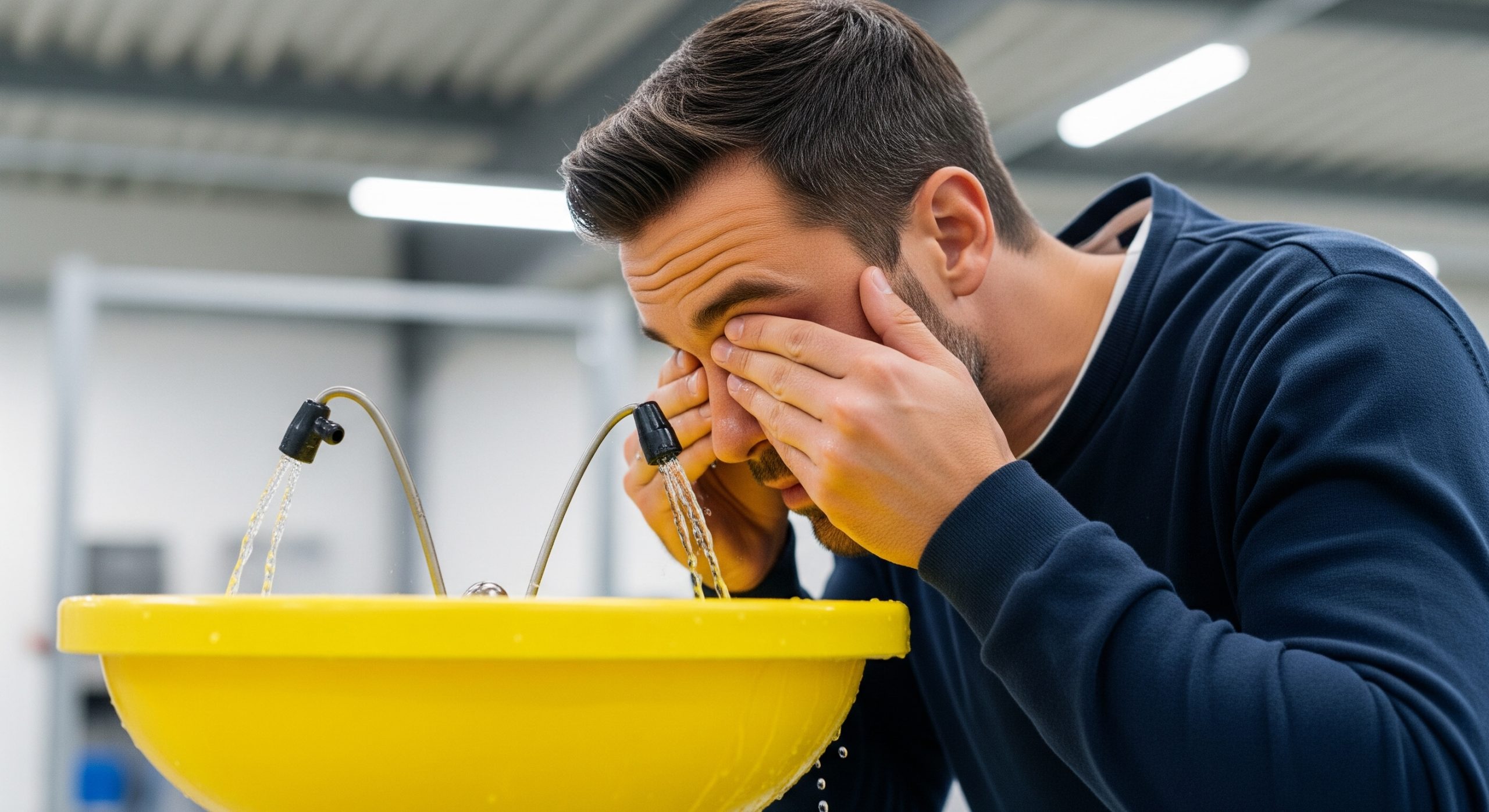
Safety equipment used in busy industrial and commercial settings is subjected to constant motion, unintended contact and often used, which can over time lower the reliability of this equipment unless it is designed and maintained in difficult conditions. Even when heavy equipment is busy transporting and other foot traffic is present and operational disturbances are going on in these environments, an eyewash station should be operational at all times. To maintain durability in such circumstances, the quality of installation, strength of the materials and long term care practices that would enhance uniform performance in the face of emergencies must be considered.
Crowded places also enhance the chances of minor impacts, contamination, and wear due to the daily operations of the workplace. Technologies like safety showers can also be subjected to these kinds of pressures, particularly in common utility areas where numerous safety systems are installed within a close area. When thinking of durability it is crucial to keep in mind that the way the equipment will be utilized when there is an emergency is not the only factor to remember, but also the physical impact of the daily workplace activity on the physical state of the equipment.
Workplace Traffic And Equipment Stress
The constant physical pressure of high traffic environments on safety installations is particularly evident in situations where employees, tools and machinery travel often around fixed points. An eyewash station that is placed in a small or crowded space can be more susceptible to unintentional knocks or acacia and therefore the accessibility of the eyewash will be limited in case of an emergency. Minor effects with time may cause the misalignment or loss of tightness of critical elements, decreasing the reliability.
More often than not, gradual wear on seals, valves, and activation mechanisms can also be caused by frequent exposure to movement and vibration. This is where placement becomes an issue to ensure that the equipment is not exposed to undue contact but at the same time be readily accessible. One of the best methods of prolonging the life of operation in the challenging working conditions is to reduce environmental strain.
Common Causes Of Wear And Damage
Poor spatial planning around safety equipment is one of the most frequent factors that lead to decreased durability. The risk of accidental contact increases with the proximity of storage items or workstations, which can result in more damage. Sensitive components can also get dust, debris, and chemical residues in an active work zone, which will impact performance in the long-term
Poor use patterns are also a factor, either over working equipment or not checking it until some problem occurs. Unless dealt with appropriately, both scenarios can reduce life expectancy. The knowledge of these risks assists in the development of a more controlled environment in which the necessary safety systems will not be deteriorated due to the constant flow of work in the place.
Material Selection And Installation Practices
The choice of material to be used should be durable when it comes to ensuring long term durability in high usage areas. The metal alloys and reinforced plastics can be popular due to their ability to resist impact, corrosion, and chemical exposures. An eyewash station that is properly constructed with strong internal parts and components has higher chances of sustaining water flow and structure when stressed repeatedly.
The design of a resilient system layout should also be compatible with other safety infrastructure in the environment such as safety showers. When materials are selected to resist such environmental conditions, the overall safety system has enhanced dependability. This minimizes the chances of uneven wear on various types of equipment mounted in the same area.
Proper Mounting And Protection Methods
Proper installation contributes significantly to the equipment life. Secure mounting eliminates unwarranted movement which may cause fittings to become loose or destroy connections in the long run. Shielding equipment with collisions in busy corridors or workstations may also be provided with protective barriers or strategic positioning close to the walls.
Moreover, it is important that the installation height and orientation should be to operational standards in order to minimize strain when using. With equipment that is readily accessible with no pulling or straining to reach, the equipment suffers less physical strain and this leads to extended life service and better performance consistency.
Maintenance And Inspection Routines
Periodical examinations are the key to detecting the initial signs of wear and tear before it progresses into a major defect. To verify that the eyewash station is operational, leaks, corrosion and decreased water pressure should be checked. Early identification leads to prompt repairs that can be done to avoid more damage.
Regular checks also aid in ensuring that the surrounding conditions have not evolved in a manner that may impair accessibility. Changes in the equipment or storage arrangements in the vicinity can occasionally hinder this and regular inspections are a significant constituent of long term durability planning.
Cleaning And Flushing Procedures For Reliability
Regular cleaning can eliminate accumulation of dust, chemical traces and other impurities which may disrupt normal operation. Regular flushing of the system is the only way to make sure the internal pathways are clear and functioning. This is particularly relevant in places where dust is prevalent in the air.
Correct maintenance practices are also helpful in maintaining general health and minimize the chances of internal blockages. Together with regular check-up, cleaning regimes contribute to the stable performance and the extension of the working life of vital safety equipment under the harsh conditions.
Training And Workplace Management
Training will be important in avoiding avoidable wear of safety equipment. When employees have knowledge of the correct usage methods, then they have less chance of using too much force and abusing components. This will assist in safeguarding the eyewash station and the other safety facilities in the area against unnecessary destruction.
Clarity also guarantees that equipment is utilised appropriately in an emergency, which causes less confusion and better response to emergencies. When the workers are conversant with the right procedures, chances of inappropriate handling resulting in long term damages are greatly minimized.
Reducing Accidental Damage Through Site Organization
Proper organization at the workplace minimizes the chances of unintended exposure to safety equipment. Maintaining accessibility to paths and making sure that storage space is well-marked can contribute to open space and minimize traffic congestion near the important structures. This is especially crucial in high mobility situations where the motion is continuous.
An effective layout also aids in better visibility in that employees will be able to find the necessary equipment promptly. With safety systems easily available and free of unjustified interference, they last naturally, giving the assurance of dependability during their services when it is most required.