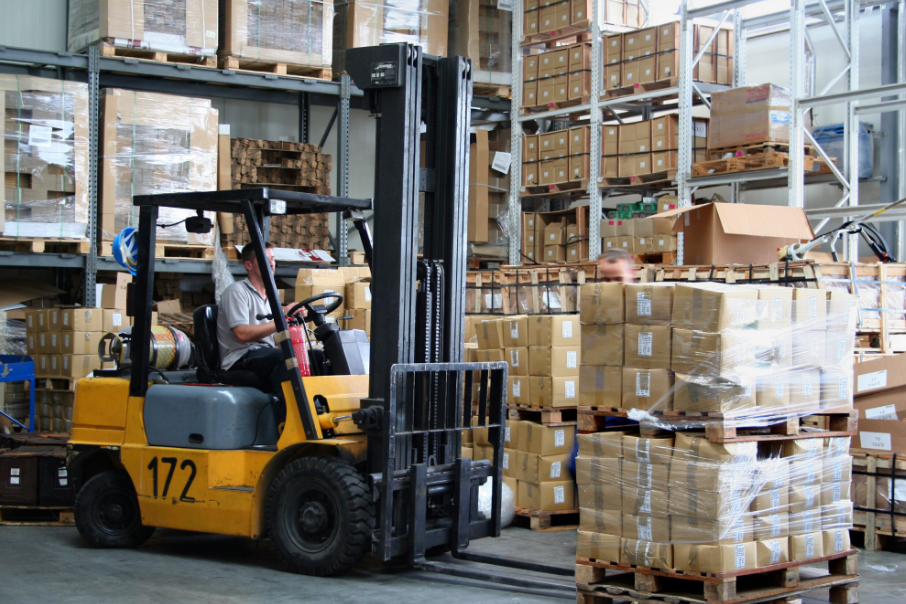
Warehouse operating costs continue to rise due to inflation, labour costs, and rising customer demand. Equipment acquisition remains a major financial decision, as material-handling machinery directly affects productivity and operating costs. For many organisations, fork truck rental offers a practical alternative to purchasing equipment outright. Instead of making a large capital investment, businesses can access the machinery they need while maintaining financial flexibility. This approach supports operational continuity, improves cost management, and helps warehouses adapt more effectively to changing business requirements.
Eliminating Large Upfront Equipment Investments
Purchasing industrial equipment often requires a substantial capital expenditure, which can put pressure on a business’s finances. Investing heavily in machinery reduces the availability of funds for other priorities, such as inventory management, facility upgrades, workforce development, technology adoption, and operational improvements. This financial commitment can affect overall flexibility.
Rental arrangements help businesses avoid large upfront investments by converting equipment costs into predictable operational expenses. Fixed payments support better budgeting and cash flow management, allowing organisations to allocate resources more efficiently. This allows businesses to access essential equipment while preserving capital for other priorities.
Reducing Maintenance and Repair Expenses
Equipment ownership involves ongoing maintenance responsibilities that can increase operating costs over time. Routine servicing, component replacements, safety inspections, and unexpected repairs all contribute to expenditure. As machinery ages, maintenance requirements often become more frequent, creating additional financial and administrative burdens for warehouse operators.
Rental agreements frequently include maintenance support from the equipment provider, helping businesses reduce these responsibilities. This arrangement helps limit unexpected repair costs and keep machinery operational. Service providers like Godrej RenTRUST support businesses through rental equipment arrangements that include maintenance assistance, allowing warehouse teams to focus on core operations rather than maintenance and administration.
Preventing Costs Associated with Idle Equipment
Warehouse activity levels often fluctuate due to seasonal demand, changing customer requirements, and market conditions. During quieter periods, owned equipment may remain underutilised while continuing to generate costs through storage, insurance, servicing, and asset management.
Rental models help businesses align equipment availability with actual operational requirements. Operators can increase equipment capacity during peak periods and reduce it when demand falls. This flexibility prevents spending on machinery that is not actively supporting warehouse operations and helps ensure that expenditure remains closely linked to business activity throughout the year.
Supporting Operational Flexibility During Business Changes
Warehouse requirements can change rapidly due to business growth, temporary contracts, expansion projects, or unexpected operational challenges. Rental solutions provide the flexibility needed to respond to these changes without making long-term ownership commitments or placing additional pressure on available capital resources.
Common situations where rental equipment provides value include:
- Peak Seasons: Supporting temporary increases in inventory movement and order fulfilment.
- New Facilities: Assisting with operational testing before permanent equipment decisions are made.
- Temporary Contracts: Meeting short-term customer requirements without purchasing additional assets.
- Equipment Breakdowns: Maintaining continuity when existing machinery becomes unavailable.
Rental arrangements allow businesses to respond quickly to changing circumstances while controlling costs, maintaining service levels, and ensuring that warehouse operations continue running efficiently during periods of change or uncertainty.
Avoiding Equipment Depreciation and Replacement Costs
Industrial machinery begins to lose value from the moment it enters service. Depreciation affects asset values and eventually creates the need for replacement investments. Businesses that own equipment must also plan for upgrades and replacement when machinery reaches the end of its useful life.
Rental arrangements help organisations avoid many of these financial challenges. The responsibility for asset replacement remains with the provider, enabling businesses to continue accessing suitable equipment without managing depreciation-related risks. This approach helps warehouse operators maintain operational continuity while reducing the financial burden associated with equipment ownership and replacement planning.
Improving Productivity Through Access to Suitable Equipment
Different warehouse environments require different equipment specifications. Factors such as aisle width, storage configuration, load characteristics, and operational volume influence equipment requirements. Access to suitable warehouse handling equipment improves efficiency, supports safe operations, and reduces delays in material movement.
Rental solutions allow businesses to select equipment that matches specific operational needs rather than relying solely on existing assets. Access to appropriately specified machinery can improve throughput, support safer handling practices, and help warehouses maintain consistent productivity levels while adapting to changing operational requirements.
Conclusion
Managing warehouse costs requires careful control of equipment-related expenditure. Rental models help businesses avoid large capital investments, reduce maintenance costs, minimise spending on idle assets, and limit depreciation-related financial burdens. These benefits support better cost control and operational flexibility. For many organisations, a well-planned fork truck rental strategy can improve efficiency while maintaining financial stability. Combined with suitable warehouse handling equipment, rental solutions help businesses enhance productivity, adapt to changing requirements, and manage operating costs more effectively.