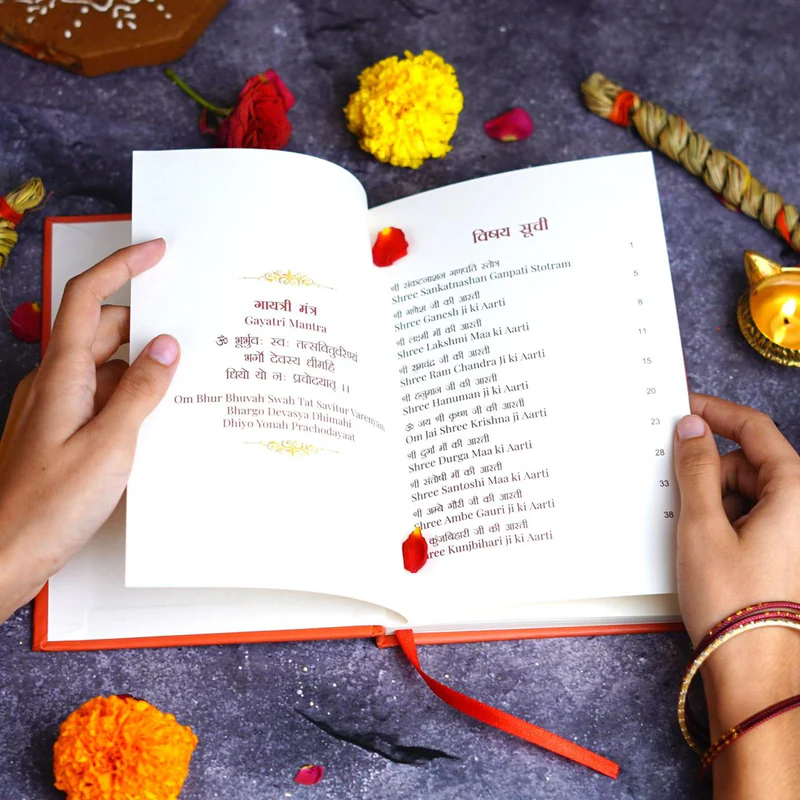
Aarti is one of the most heartfelt expressions of devotion in Indian spiritual practice. It represents a moment where your mind quiets down, the heart softens, and devotion becomes a living, breathing experience. When sung with sincerity, every aarti carries a vibration strong enough to shift your emotional state within minutes. Many people today explore traditional Aarti Collection references and complement them with daily Rashifal insights to understand how each aarti aligns with their emotional and astrological energy.
An aarti is more than a song. It is a gentle offering of gratitude, devotion, and surrender. Whether sung during morning rituals, evening prayers, or on festival days, aarti purifies your surroundings and connects you with divine energy in a deeply personal way. To receive its full blessings, understanding the right timing, intention, and method becomes essential.
Why Aarti Holds Powerful Spiritual and Emotional Influence
Every aarti uses melody, rhythm, and flame to guide your emotions toward peace. The circular motion of the diya symbolizes harmony. The chant brings focus. The light represents purity. Together, they create an atmosphere where devotion becomes effortless.
Aarti benefits you on multiple levels:
- It calms emotional restlessness.
- It attracts positive and peaceful vibrations.
- It strengthens your bond with the divine.
- It wipes away subtle negativity from your surroundings.
- It deepens gratitude and inner alignment.
When performed with a calm heart, even a short aarti becomes an experience of inner cleansing.
When Should You Sing Each Aarti? A Timeless Spiritual Rhythm
Traditional aarti timings aren’t random. They are rooted in nature’s cycles and your body’s energy patterns. Singing an aarti at the right time enhances its spiritual potency and helps you connect more deeply with the deity.
Below is a refined, elaborative guide grouped by timing and energy flow.
Morning Aartis — Bringing Light and Clarity Into Your Day
Morning time is spiritually rich. The mind is naturally quiet, the air feels fresh, and your intuition is stronger. Morning aartis harness this purity.
Gayatri Aarti
Best Time: At sunrise
Meaning: Awakens consciousness and invites clarity
Benefits:
- Sharpens mental focus
- Strengthens spiritual awareness
- Helps overcome confusion
Singing the Gayatri Aarti creates a radiant start to your morning and invites inner brilliance.
Ganesha Aarti (Sukhkarta Dukhharta)
Best Time: Early morning before beginning the day
Meaning: Removes obstacles and brings smooth beginnings
Benefits:
- Encourages confidence
- Helps release worry
- Inspires positive decisions
This aarti is ideal before new projects, journeys, or important tasks.
Surya Aarti
Best Time: Sunrise, facing the rising sun
Meaning: Honors the life force within you
Benefits:
- Boosts vitality
- Awakens enthusiasm
- Encourages emotional brightness
Chanting this aarti aligns your energy with nature’s most powerful source of light.
Evening Aartis — Restoring Calm After a Busy Day
Evenings carry a quiet, reflective energy. Your mind slows down naturally, making it perfect for gentle devotional chants.
Om Jai Jagdish Hare
Best Time: During sunset
Meaning: Universal call for peace and harmony
Benefits:
- Calms emotional turbulence
- Encourages unity in the home
- Deepens gratitude
It is often considered the most soothing evening aarti.
Lakshmi Aarti
Best Time: Dusk, especially on Fridays
Meaning: Invokes warmth, harmony, and emotional abundance
Benefits:
- Creates a positive environment
- Helps release emotional heaviness
- Strengthens devotion
This aarti fills the heart with gentle radiance.
Hanuman Aarti
Best Time: Tuesday or Saturday evenings
Meaning: Invokes strength, courage, and protection
Benefits:
- Removes fear
- Boosts emotional resilience
- Encourages confidence
Ideal during stressful periods or when inner courage feels low.
Festival Aartis — Aligning With High-Intensity Spiritual Energy
Festival days carry amplified vibrations because millions chant the same aarti collectively.
Shiv Aarti (Mahashivratri Night)
Best Time: Late night
Benefits:
- Deep emotional cleansing
- Heightened intuition
- Inner stillness
Lakshmi Aarti (Diwali)
Best Time: Evening during Diwali Puja
Benefits:
- Restores peace in the home
- Creates emotional harmony
- Encourages reflection and renewal
Krishna Aarti (Janmashtami)
Best Time: Midnight
Benefits:
- Awakens devotion
- Inspires emotional joy
- Strengthens inner faith
Festival aartis feel more intense because they ride on collective devotion.
How to Sing Aarti in the Most Spiritually Effective Way
Many people follow the script but miss the essence. Aarti isn’t about volume or speed, it’s about presence. The right method brings emotional and spiritual depth.
- Create a Calm Inner Space Before You Begin
- Sit comfortably.
- Close your eyes for a moment.
- Take slow breaths.
Your mind should be still enough to receive the vibration.
- Light a Diya With Intention, Not Habit
- The flame symbolizes your inner awareness.
- Lighting it mindfully strengthens your connection.
- Use ghee for a soft, steady glow.
- Sing Gently and with Devotion
- Let the melody settle.
- Don’t rush the verses.
- Allow each line to bring meaning.
Aarti becomes powerful when sung from the heart, not the throat.
- Move the Aarti Plate in Graceful Circles
- Clockwise movement honors the divine presence.
- Make your movements steady and gentle.
- Let the flame guide your awareness.
- Conclude With Silence or Prayer
- After the chanting ends, sit quietly.
- Let the vibration sink into your heart.
- This silence absorbs the blessings deeply.
Choosing the Right Aarti for Different Emotional Needs
Every aarti answers a specific emotional call. Here is a practical guide:
- For emotional calm: Om Jai Jagdish Hare
- For courage: Hanuman Aarti
- For clarity: Gayatri Aarti
- For fresh beginnings: Ganesha Aarti
- For emotional grounding: Shiv Aarti
- For balance and harmony: Lakshmi Aarti
Aarti becomes a tool for emotional healing when chosen with awareness.
How Astrology Enhances Your Aarti Ritual
Your zodiac energy shapes how you respond emotionally. This is why some chants feel immediately comforting while others feel energizing.
Many individuals use Rashifal insights to choose which aarti best matches their day’s energy pattern. Similarly, exploring traditional Aarti Collection references helps you understand the story, meaning, and spiritual significance behind each chant.
Together, they create a devotional routine that feels aligned and deeply personal.
Final Thoughts: Aarti Is a Pathway to Inner Light
Aarti is a small ritual with immense spiritual influence. When you understand the timing, intention, and method behind each chant, your devotional practice becomes richer and more meaningful. Whether you explore a traditional Aarti Collection or rely on daily Rashifal guidance, the goal remains the same: to bring light into your life and offer gratitude to the divine.
With mindful chanting, every aarti becomes a moment of peace, reflection, and inner awakening, a moment that stays with you throughout your day.