When you explore a country's beverage industry, familiar products can tell only part of the story. China offers a wide range of non-alcoholic drinks, from traditional tea preparations to modern packaged beverages developed for convenience, refreshment, and changing consumer preferences. If you are a retailer, importer, distributor, or food entrepreneur, understanding this variety can help you identify products that fit your customers rather than relying on assumptions about what will sell.
Researching chinese non alcoholic beverages also means looking at how products are presented, where they are consumed, and what makes them relevant to different audiences. By examining the category from several angles, you can build a more practical foundation for product selection and market research.
Start With the Traditions Behind the Drinks
Tea is an important part of China's food culture, with different varieties, preparation methods, and serving customs found across the country. Green tea, jasmine tea, oolong, and other styles offer different flavor profiles, creating opportunities for businesses interested in both traditional products and convenient packaged formats. However, you should not assume that every consumer prefers tea prepared in the same way. Ready-to-drink bottles, unsweetened options, and flavored varieties serve different needs from loose-leaf tea or products intended for traditional preparation.
If you are considering tea for your product range, investigate its intended audience and use. A premium loose-leaf product may appeal to customers who value preparation and aroma, while a portable bottled option may suit people seeking convenience during work or travel. Understanding this distinction helps you choose products that match your sales channel and customer expectations.
Look Beyond the Most Familiar Categories
Tea is only one part of the beverage landscape. Depending on the region and retail channel, you may encounter soy-based drinks, fruit beverages, plant-based products, herbal drinks, bottled water, and other non-alcoholic options. Some products emphasize familiar ingredients, while others focus on new flavors, convenience, or particular consumption occasions. This variety makes category research important before you decide which products deserve shelf space.
When reviewing potential products, examine more than the name on the package. Look at ingredient lists, sugar content, serving sizes, storage conditions, shelf life, and the information provided about the product's intended use. If you are comparing several alternatives, record these details in a consistent format. That process can help you distinguish products that genuinely suit your audience from those that merely look different on a shelf.
Understand the Role of Convenience
How a beverage is packaged can influence where and when customers choose to consume it. Single-serving bottles may be convenient for commuting or individual use, while larger containers may suit households, restaurants, or shared meals. Packaging can also affect storage, transportation, and retail presentation. Glass, cans, cartons, and plastic bottles each have different handling requirements and cost considerations. Your choice should account for the product itself as well as the distribution conditions it will face.
If you plan to import beverages, check whether the packaging can withstand the expected shipping process and whether the product requires refrigeration. You should also evaluate labeling space, language requirements, and any packaging-related obligations in your destination market. A beverage that looks commercially attractive may be less suitable if its storage needs or packaging costs make distribution difficult.
Read Labels Before Making Product Comparisons
Two beverages may appear similar while differing considerably in their ingredients and nutritional composition. Sweetened tea, for example, should not be treated as interchangeable with an unsweetened version simply because both belong to the same category. Check the full ingredient list and nutrition information when available. Consider added sugars, allergens, flavoring ingredients, serving size, and any claims made on the packaging. If you are evaluating plant-based beverages, confirm their actual ingredients rather than assuming every product has the same nutritional profile.
You should also be cautious about claims relating to wellness or specific health benefits. Such statements need appropriate evidence and may be subject to local advertising or labeling rules. For businesses sourcing beverages internationally, confirm applicable food safety standards, import documentation, and labeling requirements with qualified professionals before placing a commercial order. Requirements can vary by product type and destination, so early verification is more useful than relying on a generic checklist.
Use Consumer Occasions to Guide Product Selection
A useful way to organize your research is to consider the situation in which someone might choose a drink. A beverage purchased alongside lunch may serve a different purpose from one selected as a refreshing option during a workout, a family meal, or a social gathering. These occasions can help you assess whether a product belongs in a convenience store, supermarket, specialty shop, restaurant, or online catalogue. They can also guide decisions about package size, pricing, and the range of flavors you offer.
When researching chinese drinks non alcoholic, compare how products are positioned across these settings instead of assuming that popularity in one channel will translate directly to another. Retailer feedback, customer interviews, and small-scale product trials can help you understand whether a beverage fits your intended market.
Find Industry Insights Through Professional Events
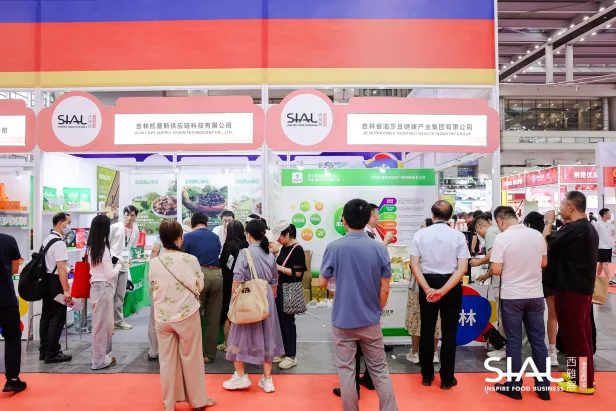
Online research can help you build an initial shortlist, but conversations with industry participants may reveal practical questions about sourcing, packaging, and distribution. A food and beverage exhibition can provide opportunities to explore product categories, meet manufacturers, and compare offerings from different businesses. For professionals interested in China's wider food and beverage sector, SIAL China is one event worth researching. Review its current exhibitor information and product categories to see whether participating businesses align with your sourcing or market research objectives.
Prepare specific questions before attending. Ask potential suppliers about production capacity, minimum order quantities, ingredient specifications, shelf life, storage needs, and export experience. Record the answers and verify important details before making commitments. An exhibition can help you discover possibilities, but independent checks remain essential when evaluating commercial partners.
Conclusion
Exploring China's non-alcoholic beverage sector requires more than recognizing familiar drinks. By studying traditional and modern categories, comparing ingredients and packaging, understanding consumption occasions, and checking import requirements, you can make better-informed product decisions. Research into Chinese non-alcoholic beverages can also benefit from industry conversations and a relevant food and beverage exhibition. Whether you are expanding a retail range or evaluating potential suppliers, a structured approach will help you focus on products that match real customer needs and your business capabilities.
FAQs
Which non-alcoholic beverage categories should you research first?
Begin with categories relevant to your intended customers, such as tea, bottled beverages, fruit drinks, or plant-based options. Then compare product availability, pricing, ingredients, and suitability for your sales channel.
Are traditional Chinese teas and ready-to-drink teas the same market segment?
Not necessarily. Traditional teas may appeal to buyers interested in preparation and flavor, while ready-to-drink versions emphasize convenience. Research each format separately to understand its audience and commercial requirements.
What should you check before importing packaged beverages from China?
Review ingredients, shelf life, storage conditions, labeling, food safety documentation, customs requirements, and the supplier's credentials. Confirm the rules that apply to your destination country before ordering.
How can you evaluate whether a beverage will suit your customers?
Compare competitor products, gather feedback from your intended audience, and consider a limited trial where practical. Assess actual purchasing interest alongside taste preferences, packaging, and acceptable pricing.
What questions are useful when meeting beverage suppliers at an exhibition?
Ask about product specifications, ingredient sourcing, manufacturing capacity, quality controls, minimum order quantities, delivery timelines, storage requirements, and experience with international shipments.