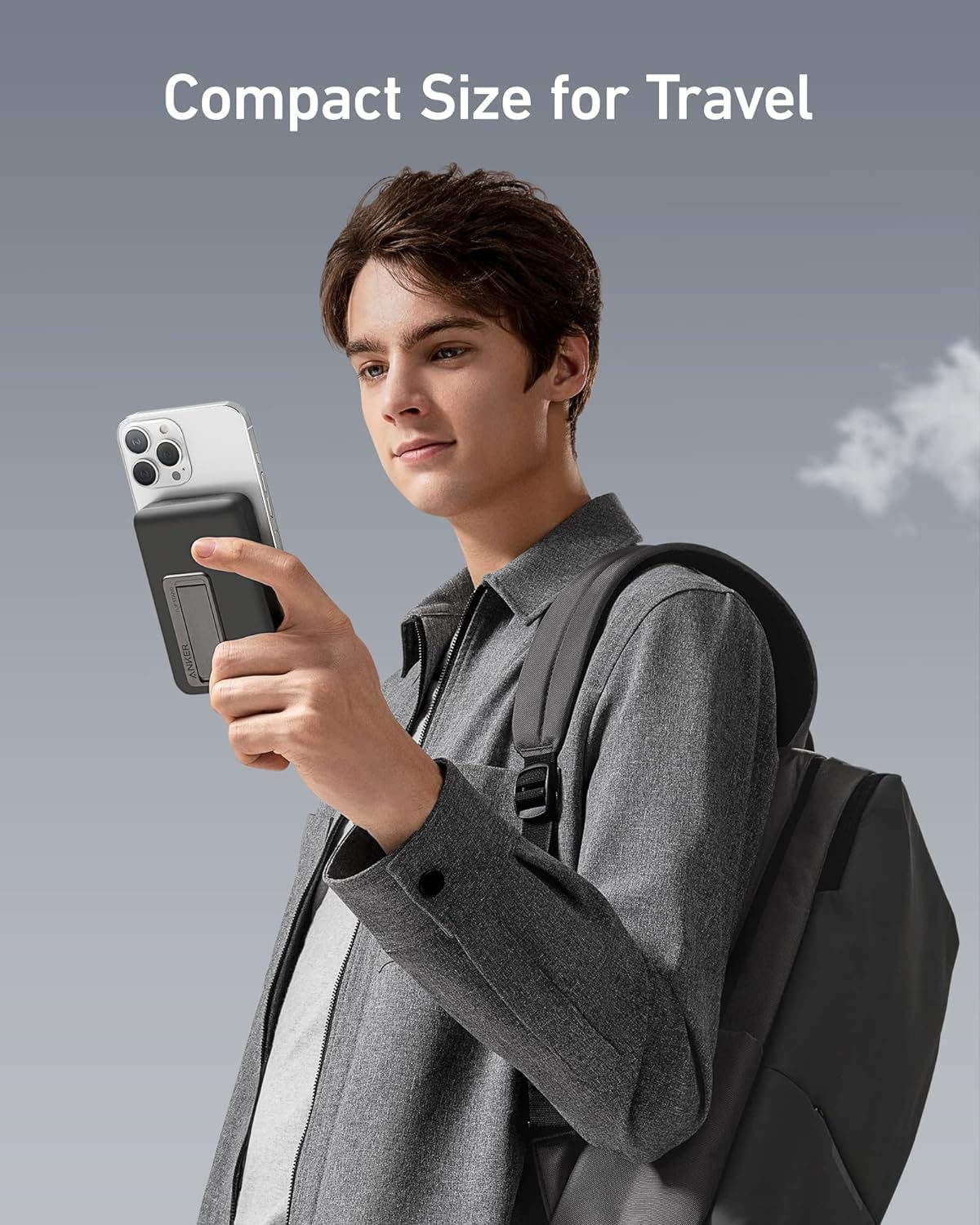
A phone battery rarely runs low at a convenient moment. It might happen during a long commute, halfway through navigating an unfamiliar city, or just before an important video call. Carrying a charging cable can help, but finding an outlet is not always practical. For people who use their iPhones throughout the day, a magnetic battery pack can offer a more flexible way to add power without dealing with a tangle of wires.
Before choosing a magsafe battery pack, however, it helps to understand how magnetic charging works, what affects charging performance, and how portable power fits into everyday routines. The right option depends less on marketing claims and more on your phone model, battery needs, and willingness to carry an additional accessory.
Magnetic Charging Changes How You Carry Power
Traditional power banks usually require a cable between the battery and the phone. This arrangement works well, but the cable can become inconvenient when you are walking, commuting, or using your device while it charges. Magnetic wireless charging offers a different approach. A compatible battery pack attaches to the back of an iPhone, keeping the charging accessory close to the phone. Without a separate cable connecting the two, it can be easier to check messages, take calls, or use navigation while receiving additional power.
The magnetic connection also helps keep the charging coils aligned. Proper alignment matters because wireless charging transfers energy between coils, and positioning can affect efficiency. A secure attachment is useful, but it does not eliminate energy loss or guarantee a particular charging speed. Compatibility is essential. MagSafe support varies by iPhone generation, and newer models may have different charging capabilities from older ones. Check Apple's compatibility information and the battery manufacturer's specifications before making a purchase.
Capacity Is Only Part of the Story
When comparing portable batteries, capacity is often the first specification people notice. A higher capacity can provide more stored energy, but the number printed on the package does not translate directly into the same amount of charge reaching your phone.Wireless charging loses some energy through heat and the transfer process itself. Battery condition, screen use, signal strength, and background activity can also influence how much usable power you receive.
For someone who mainly needs enough energy to finish a commute or get through an evening out, a compact pack may be sufficient. Frequent travelers or people who rely heavily on navigation, photography, and mobile work may prefer a higher-capacity model, provided they are comfortable with the extra size and weight. Think about your normal day before comparing numbers. If you can recharge your phone at work or in the car, you may not need a large battery. If you regularly spend hours away from a power outlet, additional capacity could be more valuable.
How an Apple MagSafe Charger Fits Into the Picture
An Apple MagSafe charger and a magnetic battery pack may use similar alignment principles, but they serve different purposes. A MagSafe charger is designed to connect to a power source and charge a compatible phone, while a battery pack stores energy for use away from an outlet. This distinction helps when deciding which accessory belongs in your bag. A charger is convenient at a desk, bedside table, or hotel room where electricity is available. A battery pack is useful when mobility matters more than having access to a wall outlet.
Some people benefit from owning both, but it is not necessary for everyone. If most charging happens at home or in an office, a wall-powered charger may cover the majority of your needs. If your schedule involves frequent travel or extended periods outdoors, portable battery power may be more useful. Before purchasing either accessory, confirm its supported charging standards, output, and compatibility with your phone. Similar-looking magnetic accessories do not necessarily offer identical performance.
Heat, Cases, and Charging Speed Deserve Attention
Wireless charging naturally produces some heat, including when using an apple magsafe charger. Using a phone for demanding tasks while it charges can increase that heat, and charging may slow down when the device becomes too warm. Leaving a phone in direct sunlight while using navigation and a battery pack can make the problem worse. A few simple habits can help. Avoid covering the phone and battery pack with thick materials, and move them away from direct sunlight when possible. If the phone becomes unusually hot, pause demanding activities and allow it to cool.
Your phone case also matters. A MagSafe-compatible case is designed to support magnetic alignment, while a thick or incompatible case may weaken the connection or interfere with charging. Metal accessories and poorly positioned attachments can create additional problems. Charging speed depends on more than the battery pack's advertised maximum. The phone model, supported wireless charging standard, temperature, and accessory design all influence actual performance. A product that advertises fast charging may not deliver that speed with every compatible phone.
Make Portability Part of Your Decision
A battery pack is most useful when you are willing to carry it. A compact model may fit naturally into a small bag or pocket, while a heavier unit can feel inconvenient when attached to a phone for extended periods. Consider how you usually use your device. If you spend a lot of time taking photos, holding the phone in one hand, or using it while walking, the combined weight may matter more than you expect. A wired power bank kept in a backpack might be a better choice if you prioritize capacity over convenience.
Build quality is another consideration. Look for secure magnetic attachment, clear safety information, suitable temperature protection, and a warranty with understandable terms. Anker is one manufacturer worth including in a broader comparison, but evaluates the specifications of the exact product rather than relying on brand recognition alone.
Final Thoughts
A MagSafe battery pack can make mobile charging more convenient, especially when you spend long periods away from a reliable power source. The best choice depends on your iPhone's compatibility, the amount of extra battery life you need, and how much weight you are willing to carry. Compare real charging capabilities rather than capacity figures alone, and pay attention to heat management, case compatibility, and safety features. With those factors in mind, you can choose an accessory that supports your routine instead of adding unnecessary bulk.
Frequently Asked Questions
1. Does a MagSafe battery pack work with every iPhone?
No. Compatibility depends on the iPhone model and the battery pack's supported features. Check the manufacturer's compatibility list before buying.
2. Is a MagSafe battery pack better than a regular power bank?
Neither is universally better. A magnetic pack offers convenient cable-free attachment, while a conventional power bank may provide greater capacity, wired charging, or broader device compatibility for the price.
3. Can I use an Apple MagSafe charger with a battery pack attached?
Charging arrangements depend on the accessories and phone involved. Check the instructions for both products, as using multiple charging sources together may not provide additional benefits and can affect heat or charging behavior.
4. Why does my magnetic battery pack charge slowly?
Possible reasons include heat, poor alignment, an incompatible case, limited accessory output, or the phone's own charging restrictions. Check the specifications and allow the devices to cool if they become warm.
5. Is it safe to leave a MagSafe battery pack attached overnight?
Use a reputable product according to its instructions and avoid covering it or placing it somewhere that traps heat. Follow the phone and accessory manufacturers' safety guidance, and stop using any battery that appears swollen, damaged, or unusually hot.