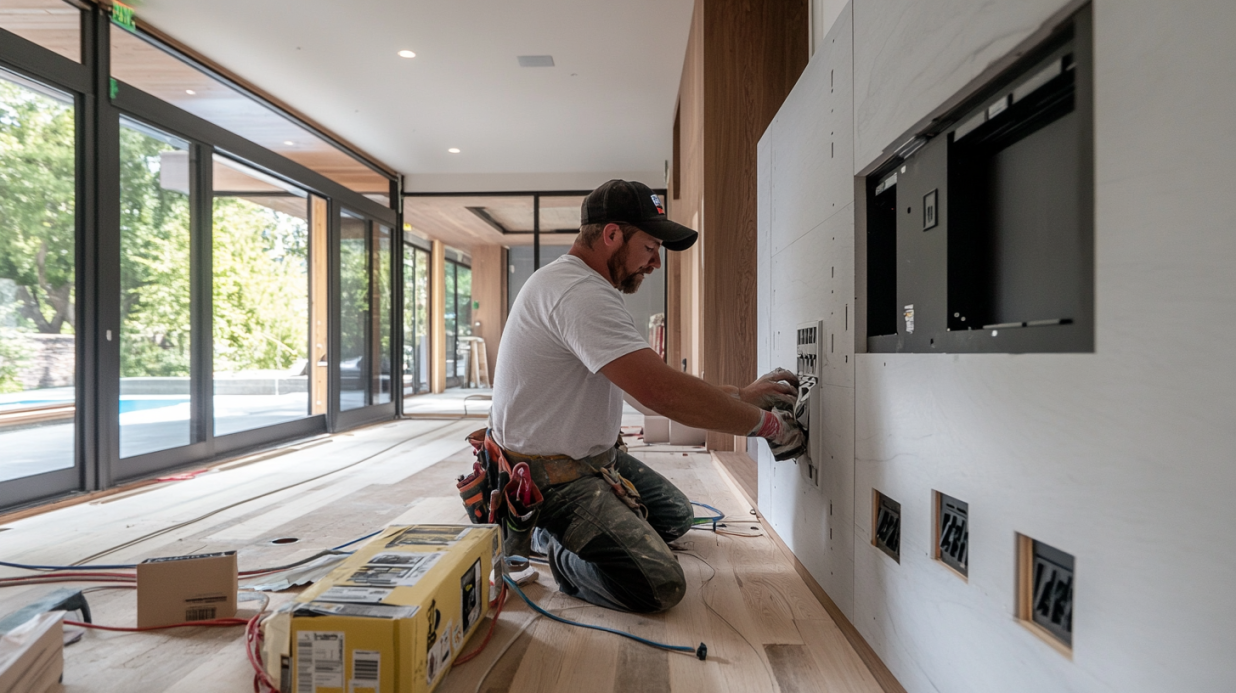
The placement of outlets in homes during home improvement must be carefully planned and not just on aesthetics. Electrical outlets can influence the comfort and safety of home operation, particularly as the use of modern devices and appliances requires an uninterrupted power supply. This may cause overloading of extension cords, inconvenient installation and higher risk of accidents. Careful placement will also help to make every day use effectively and minimize risks in high traffic zones. Electrical needs can be incorporated into the whole design of a space by properly planning at the inception of a renovation.
Planning Outlet Locations In Home Design
The first step in outlet planning is to determine how the rooms will be used in the day-to-day activities. The power requirements in living rooms, kitchens, and bedrooms are different, and the placement of the outlets should be based on the patterns. In contemporary interior decoration, furniture planning is often done beforehand, to avoid the obstruction and concealment of any outlet by bulky furniture. This will also save the use of extension cords that may cause clutter and safety issues when overloaded in high foot traffic places.
The other consideration is the ability to forecast in advance the needs instead of merely concentrating on the present usage. Homeowners can add additional electronics, appliances, or charging stations over time and it is good to leave some flexibility in the design of outlets. The tactical spacing between walls makes it possible to access it at various locations within a room. This progressive thinking will remain functional despite the changing technology and the growing needs of the homes.
Safety Considerations In Placement Decisions
One of the key criteria in determining the placement of outlets or where to change the locations is the aspect of safety. Sinks or bathroom fittings should be given special consideration because they are located close to water bodies and are likely to be the source of electrical hazards. The appropriate height and distance requirements are used to reduce the exposure to moisture but still provide convenient access to the required appliances. Considerate positioning also eliminates the possibility of cords stretching across walkways leading to tripping and possible destruction of wiring in the long term.
The other factor is that of not using overloaded circuits by evenly spacing outlets on the various electrical lines. When too many high power devices are concentrated in a single area it can overload the system and cause overheating. In the course of renovations, it may be required to hire a professional who is qualified to carry out safe distribution. There are instances where electrician Winnipeg can suggest changes that fit into the safety standards, as well as realistic household usage patterns.
Code Requirements And Compliance
The electrical codes are crucial in informing the safe location of outlets in home improvement projects. All these regulations are aimed at being able to provide similar safety standards within residential property and are constantly revised to meet current electrical needs. Compliance with code guidelines will minimize the risks of fire, inappropriate grounding, or inadequate circuit breaker capacity. Not only is compliance a legal requirement, but also a long term safety investment to homeowners.
In doing larger renovations, an electrical service upgrade may be necessary to accommodate more outlets or more power load. The electrical system demands upgrading to make sure that new installations are safe and efficient and do not overload current infrastructure. This is particularly necessary in old houses where the wiring might not be suitable with the current consumption capacity. This is due to proper compliance with the regulations that will make the location of outlets functional and safe in the long run.
Integration With Modern Home Systems
Contemporary houses are becoming more and more dependent on an inter-connected system of lighting, appliances, and smart technology. Placing outlets should consider these changing needs, which include accessible power sources to use various devices like smart speakers, security systems, and home automation hubs. Thoughtful placement will contribute to the neat and tidy look and assist the increasing number of interconnected appliances you see in modern homes.
Moreover, the renovation projects usually involve renovations that favour energy efficiency and comfort. Locating outlets at the most convenient spots will minimize the load on the cords and enable devices to work more efficiently. Such considerate incorporation makes sure that electric infrastructure is in line with the present standard of living and is safe and useful in every part of the house.