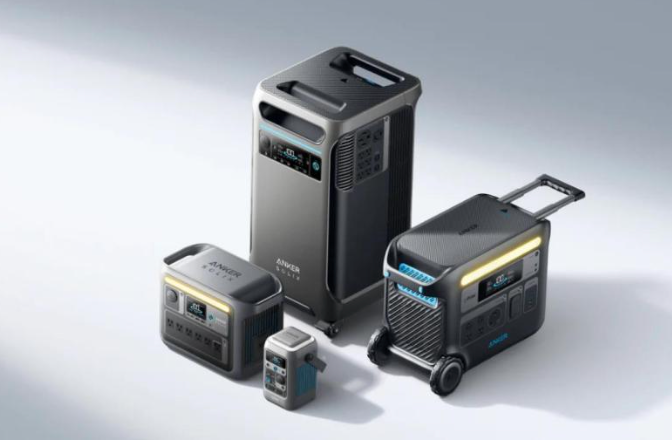
Solar generators have become a practical part of everyday life, helping households stay prepared for outages, outdoor trips, and remote work setups. Unlike traditional fuel-based systems, these devices rely on batteries and solar panels, which require thoughtful care to perform reliably over time. With simple habits and periodic checks, a solar generator can remain efficient for years without complex technical knowledge. In this article, practical steps will explain how to charge, clean, store, and test a solar generator so it remains dependable in real-world daily use.
- Manage Battery Charge
Keep battery between 20-80% when storing
Battery health depends heavily on how charge levels are managed during storage, especially when the generator is not used regularly. Keeping the battery between 20% and 80% helps reduce stress on lithium-based cells, which can degrade faster when kept fully charged or completely drained. This practice is similar to how smartphones or laptops benefit from moderate charge levels rather than constant full charging. For a household backup unit, checking the charge before long-term storage can prevent unexpected battery aging. Over time, this habit contributes to a longer battery lifespan and more reliable performance when power is needed.
Do a full charge cycle every few months
Even when not in active use, batteries benefit from periodic full charge cycles to recalibrate internal battery management systems. Performing a full charge and then using a portion of that power helps keep battery readings accurate and maintains balanced cell performance. For a generator stored for emergencies, scheduling this routine every two to three months can ensure the system is ready when needed. This process does not require technical tools, only plugging in the unit and allowing it to charge completely.
- Clean Properly
Wipe solar panels gently
Solar panels collect dust, pollen, and debris that can reduce sunlight absorption, especially in outdoor environments. Gently wiping panels with a soft cloth and mild water helps maintain optimal energy capture without scratching the surface. Avoid abrasive materials or harsh cleaners, as these can damage protective coatings and reduce efficiency over time. Regular cleaning is especially important for panels used during camping, rooftop installations, or garden setups. Keeping panels clean ensures the generator charges faster and more efficiently under the same sunlight conditions.
Keep ports and vents clear
Portable power stations rely on vents and internal fans to dissipate heat during charging and discharging. Dust buildup around vents or ports can trap heat and reduce airflow, leading to reduced performance or premature wear. Periodically checking these areas and removing dust with a soft brush or compressed air can prevent overheating issues. Ports should also be inspected for dirt or moisture, especially after outdoor use. Maintaining clean ports and vents supports stable operation and protects sensitive internal components.
- Store in Right Conditions
Choose cool, dry location
Storage environment plays a major role in preserving electronic components and battery chemistry. A cool, dry location such as a closet, garage shelf, or indoor storage room helps prevent moisture damage and thermal stress. Humidity can corrode connectors and degrade battery components, while excessive heat can accelerate battery aging. Storing the generator away from direct sunlight and water sources adds another layer of protection. Choosing a stable environment ensures the device remains ready for use without hidden deterioration.
Avoid extreme temperatures
Extreme cold or heat can significantly impact battery health and overall performance. High temperatures can cause batteries to degrade faster, while very low temperatures can temporarily reduce capacity and efficiency. Keeping the generator within a moderate temperature range, similar to typical indoor living conditions, helps maintain stable battery chemistry. For users in regions with harsh weather, bringing the unit indoors during heatwaves or freezing winters can prevent damage. Temperature awareness is one of the simplest yet most effective ways to protect long-term performance.
- Check Battery Regularly
Monitor charge level monthly
Monthly monitoring ensures that the battery does not slowly drain to critically low levels during storage. Many portable power stations include digital displays or companion apps that make checking charge levels simple and quick. Setting a reminder to check once a month can prevent deep discharge, which may reduce battery lifespan. This habit also provides an opportunity to inspect the device for dust, moisture, or physical damage. Regular monitoring keeps the generator in a ready-to-use state for unexpected power needs.
Recharge if below 50%
Recharging the generator when it drops below 50% helps maintain a healthy charge window and prevents deep discharge stress. Allowing the battery to remain near empty for long periods can negatively affect its internal structure and reduce future capacity. Plugging in the unit for a partial recharge every few months is usually sufficient for stored generators. This routine ensures that emergency backup power is always available without compromising battery longevity. Over time, maintaining this threshold contributes to consistent and predictable performance.
- Test Periodically
Routine testing ensures your solar generator will perform reliably when it matters most—whether during a sudden power outage or while on an outdoor trip. By putting it to practical use, such as powering small appliances or devices, you can verify that all ports, batteries, and inverters are functioning properly. If testing reveals that the unit can’t keep up with your daily or emergency needs, it may be time to consider an upgrade. For example, well-regarded solar generator systems like the Anker SOLIX series can be paired with solar panels to create a portable, fuel-free energy solution that adapts to a variety of scenarios. Regular testing not only helps you understand your system’s true capabilities but also builds the confidence to handle emergencies with greater ease.
Conclusion
Maintaining and storing a solar generator does not require advanced technical knowledge, but it does require consistency and awareness. Managing battery charge levels, performing periodic full cycles, cleaning panels and vents, and storing the device in a stable environment all contribute to longer-lasting performance. Regular battery checks and occasional testing ensure the generator remains reliable when needed most, whether for home backup or outdoor activities. With simple habits and routine care, a solar generator can provide dependable, clean energy for many years, making it a practical and resilient addition to modern daily life.